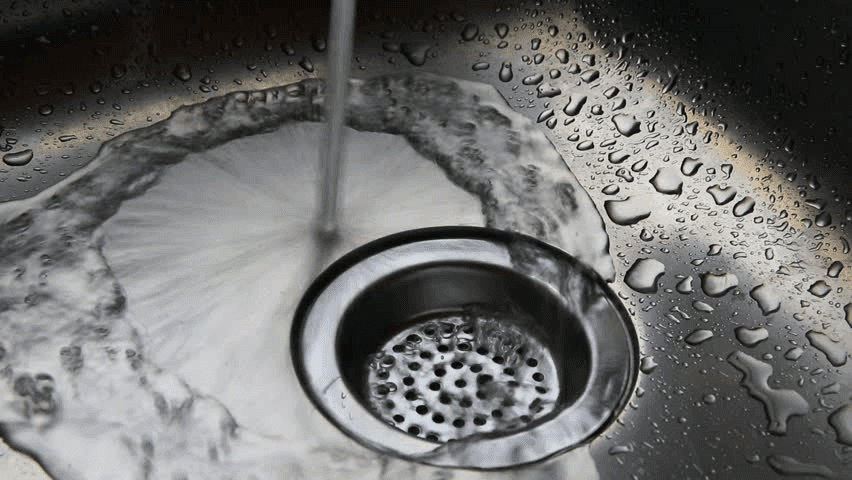

You come downstairs on a cold morning and notice a damp patch around the basement floor drain. Maybe it’s a shallow puddle, or maybe the drain smells a little off. The night before, the temperature dropped sharply for the first time this season, and now something fine last week isn’t.
This is a common pattern. When Scarborough floor drains back up after the first hard freeze, the cold itself is rarely the whole story. More often, a restriction or weak spot in the drainage system was already there, and the change in season made it noticeable. Fall debris, a partly blocked line, a stressed pipe joint, or a sump pump problem can all hide for months until water starts moving through the system differently.
This guide explains why these backups happen, which warning signs to watch for, what to do when water starts rising, and how to prevent repeat problems. The goal is to help you understand what’s going on beneath your basement floor so you can respond calmly and make good decisions.
Why the First Hard Freeze Triggers Floor Drain Backups in Scarborough Homes
First, an important point: an indoor floor drain doesn’t freeze simply because it’s cold outside. The surrounding soil and the heated house above it typically insulate your basement. A basement floor drain backup in winter usually points to something else, such as a restriction in the line, a problem outside the home, or a system that is suddenly handling more water than usual. Here are the main ways the first cold snap can expose a problem:
- Exposed or poorly protected pipes: Drainage components close to the surface or in unheated areas, such as exterior connections, can be affected by a sudden temperature drop.
- Partial blockages: A line that has been slowly narrowing from grease, sediment, or debris may cope fine in quieter conditions, then struggle when flow increases.
- Extra water in the system: Melting snow and surface runoff can put more water into exterior drainage and the municipal system. If a line already has limited capacity, that extra volume reveals the weakness.
- Older or poorly maintained connections: Ageing joints, worn pipe sections, and neglected drain lines have less margin for error.
Your floor drain is there to carry away unwanted water, whether from a laundry tub, a washing machine discharge, or a small leak. If it can’t do that, the water has nowhere to go but up and out onto the floor.
How Freeze-Thaw Cycles Stress Older Floor Drain Systems
A freeze-thaw cycle simply means temperatures move back and forth across the freezing point. Moisture in the soil freezes, expands, then thaws and contracts. In late fall and winter, that can happen repeatedly.
Underground drainage pipes sit in that soil. As the ground shifts and settles, vulnerable sections can come under stress.
Over time, this may contribute to:
- Cracks in older or already weakened pipes.
- Deteriorated joints, where sections connect and may loosen.
- Pipe separation, where two sections no longer line up properly.
Even a small shift matters. A slightly displaced joint can catch debris, let soil or roots enter, or create a low spot where waste collects. That is why damage like this deserves attention even when the drain still works, at least for now.
It also helps to understand three problems that are often confused:
- A frozen pipe has ice restricting or blocking flow. This typically affects pipes exposed to cold air, not a typical indoor floor drain.
- A blocked drain has an obstruction such as grease, hair, sediment, or debris, and is the most common cause of backups.
- A damaged drainage line has structural problems such as cracks, separation, or collapse. It may also cause blockages, but cleaning alone won’t fix it.
Telling these apart matters because each calls for a different solution.
Common Causes Behind Sudden Floor Drain Backups in Late November
Late November is when several seasonal factors overlap. Leaves have fallen, temperatures swing, and the ground is wet. Because of this, more than one weak point can reveal itself around the same time, which is why a backup sometimes seems to come out of nowhere.
Residual Fall Debris and Sediment
Leaves, dirt, sand, and organic material find their way into exterior drainage connections and catch basins throughout the fall. Once there, they can settle and compact.
Sediment narrows the path water takes. A pipe with a reduced opening may still move water at normal volumes, but when flow increases, it can’t keep up. The result is slow drainage, then pooling. Exterior debris is also easy to overlook because it’s out of sight until the system is stressed.
Partial Blockages That Worsen in Cold Weather
Indoors, grease, soap residue, hair, and everyday debris build up along pipe walls. Each layer reduces the pipe’s capacity a little more. You may only notice a drain that’s a bit slow.
Colder conditions can make an existing problem more noticeable, particularly when combined with increased water flow or pipes exposed to lower temperatures. That doesn’t mean every indoor blockage freezes or hardens in winter. It means a restriction that was manageable can become a problem once conditions change.
Left alone, slow drainage often progresses to standing water and eventually a full backup.
Issues with the Main Line or Shared Drainage
Your home’s main sewer line collects wastewater from every fixture and carries it out to the municipal connection. If that line is restricted, wastewater may rise through the lowest opening in the house. Usually, that’s the basement floor drain.
Common causes include:
- Tree roots entering small cracks or joints.
- Accumulated debris and grease.
- Pipe damage, such as breaks or sagging sections.
- Restrictions in the wider sewer connection.
How can you tell an isolated problem from a main-line one? If only one drain is slow, the blockage is probably local to that fixture. If several drains are affected, such as a floor drain, a basement toilet, and a tub, or if gurgling shows up in more than one place, a main-line restriction is more likely.
Sump Pump and Floor Drain Interaction Problems
A sump pump collects groundwater and moves it away from your foundation. If it stops working, the basement can take on water that looks like a drain problem but isn’t.
Possible culprits include pump failure, a blocked discharge line, or a frozen exterior discharge pipe that has nowhere to send water. These are different from a floor drain blockage. A sump problem tends to involve groundwater rising in the pit. A floor drain blockage tends to involve water or wastewater coming up through the drain itself.
If you can’t tell which one you’re dealing with, or the water appears to be sewage, it’s worth having a professional assess it.
Warning Signs Your Scarborough Floor Drain Is About to Back Up
Floor drains usually give notice before they fail.
Watch for:
- Slow drainage around basement floor drains.
- Gurgling or bubbling sounds, which can mean air is being forced through a restricted line.
- Sewage or musty odours coming from the drain.
- Water appearing near the drain after someone runs a sink, washer, or shower nearby.
- Intermittent standing water that comes and goes.
- Multiple fixtures draining poorly at the same time.
Each of these tells you something about flow. Investigating early gives you more options, and often a simpler, less costly fix, than waiting until water covers the floor.
What Happens If You Ignore an Early Floor Drain Backup
A small backup may not look urgent, but the consequences can add up:
- Damage to flooring and walls, especially if moisture is repeatedly present.
- Ruined belongings and finished basement materials like drywall, carpet, and trim.
- Unpleasant odours and exposure to potentially contaminated wastewater.
- Recurring problems if the underlying cause is never addressed.
- Further damage if a pipe defect or sewer restriction keeps getting worse.
Water that comes up through a floor drain may contain sewage, and that needs appropriate precautions. Contaminated water can carry bacteria and other pathogens, so cleanup shouldn’t be treated like mopping up clean water. For anything beyond a very minor, clearly clean spill, professional cleanup is the safer choice.
None of this means every damp patch is a disaster. It does mean a recurring symptom deserves a real answer.
What You Should Do Right Away When a Floor Drain Starts Backing Up
If water is coming up, these steps can limit the damage:
- Stop using nearby plumbing fixtures: wastewater is rising. That includes sinks, showers, the dishwasher, and the washing machine.
- Keep children and pets away: the affected area.
- Avoid direct contact with potentially contaminated water.
- Don’t pour chemical drain cleaners: a backed-up drain. They rarely solve the real problem, can be hazardous to handle, and can create a safety risk for anyone who works on the drain afterwards.
- Stay away from electrical hazards: If water is near outlets, appliances, or a panel, don’t go near it, and call a qualified electrician.
- Check accessible sump pump components: only if it is safe to do so. For example, you can look at whether the pump has power or whether the discharge line outside is visibly blocked.
- Contact a qualified plumber: if the backup continues, sewage is present, or multiple drains are affected.
Please don’t flush toilets repeatedly or run water to see whether the drain “clears.” If the line is already backed up, that only sends more water into a system with nowhere to put it.
How Professional Drain Cleaning Prevents Repeat Floor Drain Problems
A good drain cleaning visit is more than a quick fix. The process generally follows a logical sequence:
- Initial assessment: The technician looks at the affected drain, asks about symptoms, and checks related fixtures.
- Isolated or main line? They work out whether the problem is local or connected to the main line.
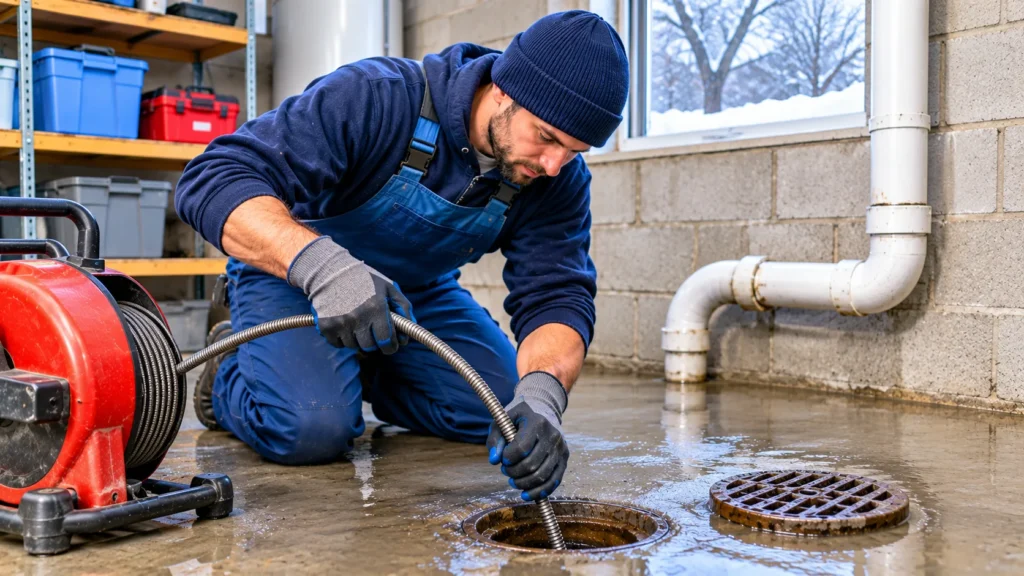
- Mechanical cleaning: Tools such as drain cables remove suitable obstructions.
- Hydro jetting, when appropriate: High-pressure water can clear heavier buildup, depending on the pipe’s condition and the type of blockage.
- Verification: After cleaning, the technician confirms that water flows freely.
- Practical recommendations: You should come away with advice on reducing the chance of the problem returning.
The aim is to deal with the actual cause, not just provide temporary relief. A drain that’s cleared but never investigated can be right back where it started in a few weeks.
Regular professional maintenance and timely Drain Cleaning in Scarborough can help remove accumulated debris and reduce the risk of recurring floor drain blockages.
When a Camera Inspection Is the Smartest Next Step in Scarborough
If a drain has been cleared and still backs up, or if more than one drain is affected, the cause may be deeper in the system. That’s where a camera inspection comes in.
A Drain Camera Inspection in Scarborough involves feeding a small waterproof camera into accessible drain lines so the technician can see the inside of the pipe in real time.
It can reveal:
- Obstructions and stubborn buildup.
- Cracks or damaged sections.
- Root intrusion.
- Pipe separation or misaligned joints.
- Sediment collecting in low spots.
This is especially useful when multiple drains are slow, because it helps show where the problem starts. The findings also guide the next step. Sometimes cleaning is all that’s needed. In other cases, the footage shows that a repair or further investigation is the right call. Either way, you’re making decisions based on what’s actually in the pipe rather than guessing.
Protecting Your Floor Drains Before the Next Cold Snap
Prevention is simpler than cleanup. Consider these steps before winter settles in:
- Arrange a drain inspection before the cold weather arrives.
- Remove leaves and debris from accessible exterior drainage areas.
- Keep floor drain openings clear of dirt, lint, and clutter.
- Deal with slow drains early, before temperatures drop.
- Check your sump pump and how it discharges, including whether the outdoor discharge line can drain freely.
- Have exposed or vulnerable pipes assessed to see whether suitable insulation makes sense.
- Keep grease, wipes, and other unsuitable items out of your drains. Even products labelled “flushable” can contribute to blockages.
- Look into recurring moisture or odours in the basement rather than assuming they’ll go away.
Preventive maintenance can’t guarantee you’ll never have a problem, but it reduces the chance of an unexpected winter backup and gives you time to fix issues on your schedule instead of in an emergency.
Frequently Asked Questions About Winter Floor Drain Backups
1. Can a basement floor drain freeze?
An indoor floor drain doesn’t normally freeze just because the weather turns cold, since the basement is heated by the house above and insulated by the surrounding soil. Exterior pipes, such as a sump pump discharge line, are more exposed. If a winter backup happens, a blockage, a main-line restriction, or a pipe problem is a more likely cause than ice in the floor drain itself.
2. Why does Scarborough Floor Drains Back Up After the First Hard Freeze?
Odours can come from a partial blockage, a dry or faulty trap, or a problem further along the drain line. Homes are also closed up in winter, so smells tend to be more noticeable indoors. If the odour is persistent or smells like sewage, it’s worth having the drain assessed rather than masking it.
3. Is it safe to use chemical drain cleaners on a backed-up floor drain?
It’s best not to. Chemical cleaners often don’t clear the real obstruction, and they can sit in the pipe and create a hazard for anyone who later works on it. They’re also not a substitute for finding out why the drain is backing up in the first place.
4. How do I know if it’s a floor drain problem or a main sewer line problem?
Check whether other fixtures are affected. If only one drain is slow, the blockage is probably local. If several drains are slow, gurgling, or backing up at the same time, a main sewer line blockage is more likely. A camera inspection can confirm where the restriction is.
5. When should I call a plumber instead of trying to fix it myself?
Call a plumber if the backup keeps returning, if sewage is present, if more than one drain is affected, or if you can’t tell whether the cause is the drain or the sump pump. Water near electrical equipment is a separate safety issue that calls for a qualified electrician as well.
Get Fast, Reliable Floor Drain Cleaning in Scarborough
A floor drain that backs up once is a warning. A drain that backs up repeatedly means something is wrong that needs proper investigation. Finding the underlying blockage, whether it’s debris, roots, a damaged pipe, or a main-line restriction, is what keeps the problem from coming back.
Professional drain cleaning can clear many blockages and restore normal flow. When cleaning doesn’t explain the problem, a camera inspection can show what’s happening inside the line. Addressing the issue early is almost always easier than dealing with water damage later.
Experiencing a basement floor drain backup after the first hard freeze? Don’t wait for standing water to become a bigger problem. Contact Drain Experts Plumbing for professional drain cleaning in Scarborough. Our team can help identify the cause of the blockage, recommend the right solution, and help restore proper drainage.
Call Drain Experts Plumbing or contact us to discuss what you’re seeing. Knowing why Scarborough floor drains back up after the first hard freeze is the first step, and having the problem properly diagnosed is the next.