
Winter in Markham can look beautiful with its white snow and cool breezes, but it also brings challenges that every homeowner should be ready for. One of the biggest issues is frozen pipes. When pipes freeze, they can burst and cause a lot of damage inside your home. The repairs can be expensive and stressful. Luckily, there are many simple steps you can take to stop this from happening. With a little care and preparation, your plumbing can stay safe all winter.
In this complete guide, we will talk about why pipes freeze, how to spot the warning signs early, and how to prevent damage before it happens. Whether you have just moved to Markham or have lived here for years, these easy-to-follow tips will help you protect your home from frozen pipes.
Understanding Why Pipes Freeze in Markham
Markham has long, cold winters where temperatures drop below freezing for days or even weeks. These low temperatures can quickly freeze the water inside your pipes, especially if they are not insulated.
The Science Behind Frozen Pipes
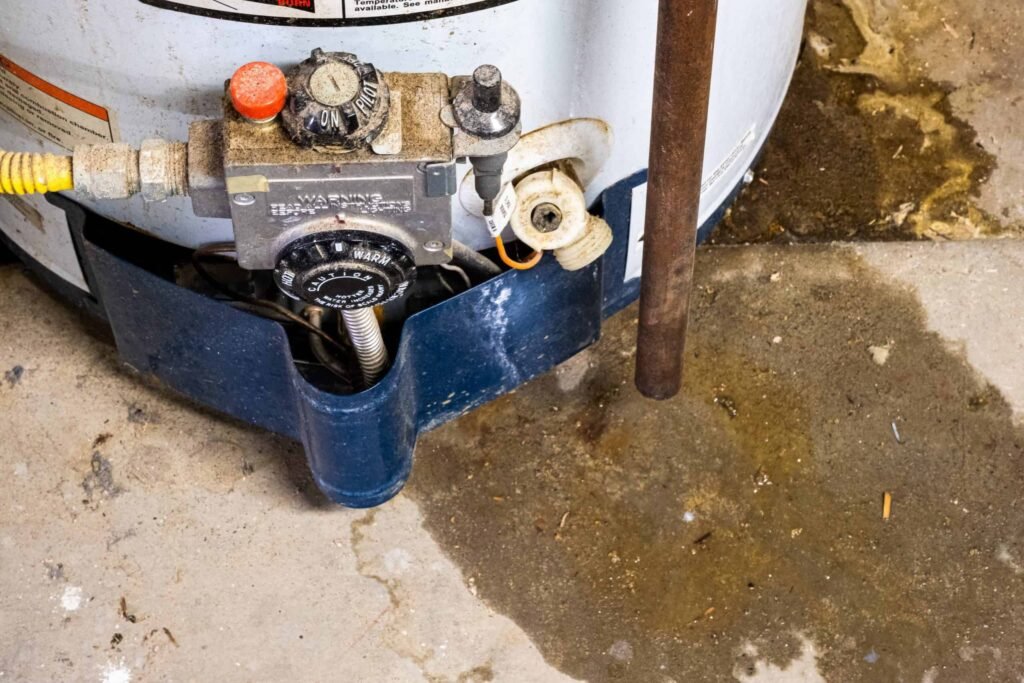
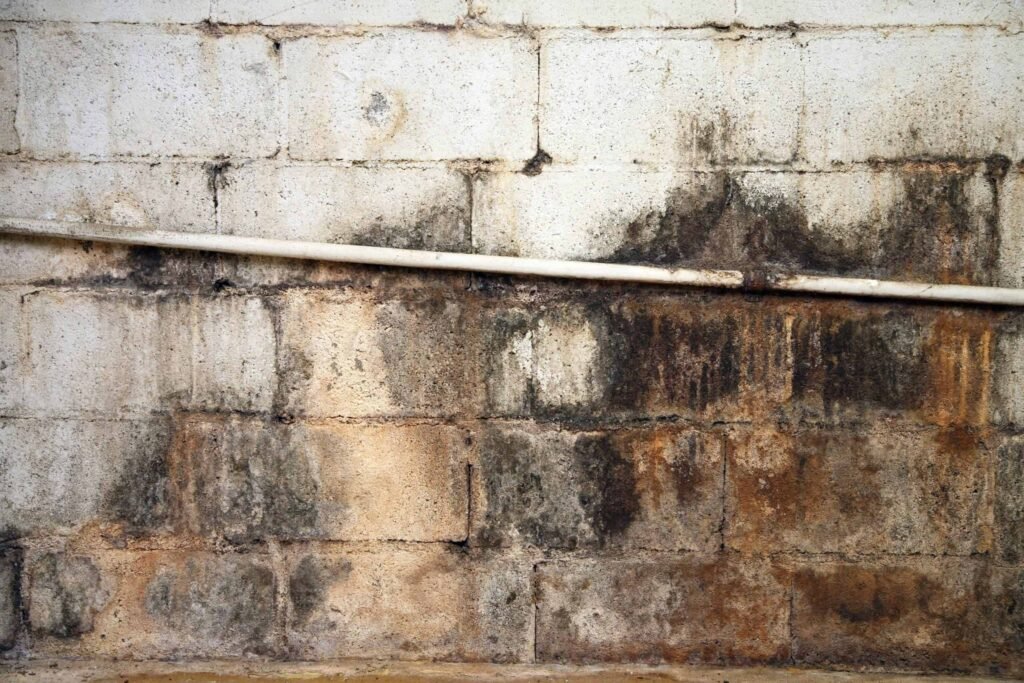
When water freezes, it expands. This extra pressure inside the pipe can make it crack or even burst. Once the ice melts, the water leaks out and can damage your walls, floors, or ceilings. This can lead to mold, water stains, and big repair costs.
Why Homes in Markham Are at Greater Risk
Many older homes in Markham still have metal pipes that do not have enough insulation. These pipes often run through basements, garages, or crawl spaces where the air is cold. Even new homes can have problems if there are small gaps around windows, doors, or vents where cold air sneaks in.
Common Warning Signs of Frozen Pipes
You can often tell that your pipes might be freezing if you notice:
- Water is coming out very slowly or not at all.
- Frost or ice forming on pipes in the basement or outside.
- Gurgling or banging noises when you turn on the tap.
- Cold spots or wet marks on walls and ceilings.
If you catch these signs early, you can fix the issue before the pipe bursts.
Signs That Your Pipes Are Freezing or About to Burst
Knowing the early signs can save you from a plumbing disaster. If you pay attention to small changes, you can stop the problem before it gets worse.
Low Water Pressure or No Water
If the water barely flows or stops completely, ice may already be forming inside the pipe. This is often the first sign that your pipes are freezing.
Strange Noises from the Pipes
If you hear clanking, whistling, or popping noises, that could mean air and water are struggling to move through ice inside the pipe.
Frost on the Pipes
If you see frost or condensation on a pipe, especially in your basement or garage, it is a clear warning sign. You should act right away to warm the area.
Wet Marks on the Walls
After the ice melts, leaks may appear behind walls or under floors. If you see wet spots or peeling paint, the pipe may have already burst.
Easy Ways to Prevent Frozen Pipes in Markham
Prevention is always better than repair. You can avoid frozen pipes by following these easy tips.
1. Cover and Insulate Your Pipes
Wrap your pipes with foam sleeves or fiberglass insulation. Focus on unheated areas like basements, attics, and garages. Insulated pipes stay warmer and are less likely to freeze.
2. Seal Any Openings or Cracks
Check around windows, vents, and walls for gaps where cold air can enter. Seal them using caulk or weatherstripping. This will keep both warm air inside and cold air outside.
3. Remove Outdoor Hoses and Drain Faucets
Before winter starts, disconnect all hoses and drain the outdoor taps. Turn off the water valves that connect to outdoor faucets to stop leftover water from freezing inside.
4. Use Electric Heat Tape for Exposed Pipes
Heat tape helps keep pipes warm in very cold spots. It automatically turns on when the temperature drops and prevents freezing.
5. Keep Your Home Warm and Stable
Try to keep the temperature in your home at or above 16°C, even if you are not there. Sudden drops in indoor temperature can make pipes freeze quickly.
6. Open Cabinet Doors in Kitchens and Bathrooms
Opening cabinet doors under sinks lets warm air circulate around the pipes, especially those near outside walls.
7. Get a Winter Plumbing Checkup
Ask plumbers in Markham to inspect your home before the coldest months begin. They can check your insulation and fix weak spots that you might not notice.
How to Thaw Frozen Pipes on Your Own
If you suspect your pipes are frozen, do not panic. Stay calm and thaw them carefully.
Steps to Follow
- Turn off your main water supply to stop flooding if a pipe bursts.
- Open the faucet connected to the frozen pipe to release pressure.
- Gently warm the pipe using a hair dryer, heating pad, or warm towels. Start from the end nearest to the faucet and move backward.
- Keep checking the water flow. When the water starts flowing again, leave the tap open for a few minutes.
Things You Should Never Do
- Do not use an open flame or blowtorch to heat the pipe. This is very dangerous.
- Do not hit or bang on the pipe. It can make small cracks worse.
If you cannot fix it or if the pipe leaks, contact an emergency plumber in Markham immediately.
When to Call a Professional Plumber in Markham
Sometimes, it is best to leave it to the experts. While small issues can be handled on your own, bigger problems need professional tools and skills.
Call a Plumber If You Notice:
- Leaking water or puddles on the floor.
- No water even after trying to thaw the pipes.
- Hidden leaks behind walls or under floors.
Professional plumbing services in Markham use advanced tools like thermal cameras and pipe-thawing machines to fix the issue safely and quickly.
How to Prevent Winter Plumbing Damage for the Long Term
You can make your plumbing system more resistant to cold weather with a few upgrades.
Add Smart Leak Detectors
These small devices can detect leaks and send alerts to your phone. They can help you catch problems before they become serious.
Upgrade to Stronger Pipes
Modern materials like PEX are flexible and can expand slightly without breaking when water freezes. If you have old metal pipes, consider switching to these new materials.
Cover Outdoor Faucets
Use foam faucet covers to keep cold air out. They are cheap and very effective at preventing frozen outdoor taps.
Schedule a Yearly Checkup
Having Markham plumbers check your system every year will help prevent big problems later. They can catch small issues before they turn into expensive repairs.
How Much Does It Cost to Fix or Prevent Frozen Pipes in Markham
Fixing a burst pipe can cost anywhere from, depending on the damage. If water floods your home, the total cost can be much higher once you include cleanup and repairs. On the other hand, insulation and regular inspections are much cheaper and prevent major damage.
Some plumbers in Markham offer winter care packages that include pipe checks, insulation, and leak detection. Spending a little now can save you a lot later.
Helpful Resources for Markham Residents
It is always smart to stay informed. Here are a few local resources that can help you during winter:
- City of Markham Water Department – Call them if a public water line freezes or leaks.
- Environment Canada Weather Alerts – Check for upcoming cold weather warnings.
- Emergency Plumbers Near You – Keep their number ready in case of sudden leaks or pipe bursts.
Being prepared and knowing who to call can make all the difference in an emergency.
Conclusion:
Winter plumbing problems can be stressful, but they are easy to prevent with a little care. By insulating your pipes, sealing gaps, and calling Markham plumbers for inspections, you can keep your home safe and warm all season. Stay alert, take action early, and your home will stay dry and comfortable even when the temperature drops.