

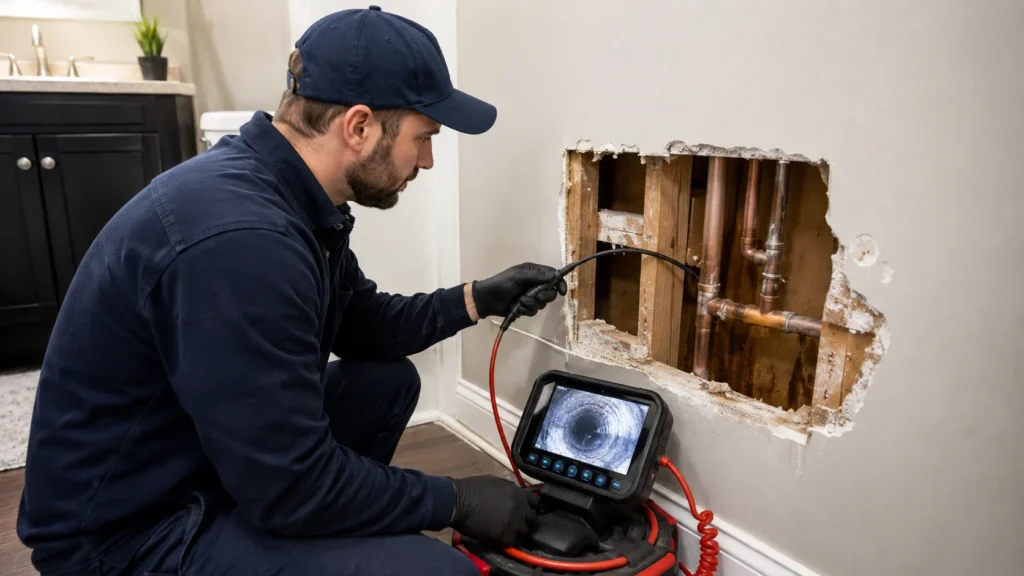
Most plumbing disasters don’t start as disasters. They start as a small drip under the kitchen sink, a toilet that runs a little longer than it used to, or a faint musty smell in the basement that you keep meaning to look into. Life gets busy, and these little signals get pushed to the bottom of the to-do list until the day a pipe finally gives out, and what could have been a $150 fix turns into a $6,000 water damage claim.
Brampton homes face a particular set of challenges. Our winters swing from deep freezes to sudden thaws, our summers bring heavy rainfall that tests aging sewer lines, and many neighbourhoods from older pockets near downtown to newer developments in Mount Pleasant and Springdale have plumbing systems of very different ages and materials. That mix means there’s no one-size-fits-all answer to “is my plumbing okay?” It depends on your home’s age, your soil conditions, and how well your system has been maintained.
This How to Prevent Costly Plumbing Repairs in Brampton guide is built for homeowners who want to get ahead of problems instead of reacting to them. We’ll cover why plumbing repairs in Brampton tend to escalate quickly, the early warning signs most people miss, a room-by-room maintenance checklist, and how camera inspections catch problems while they’re still cheap to fix.
How to Prevent Costly Plumbing Repairs in Brampton
The jump from “minor issue” to “major expense” usually isn’t sudden; it’s a slow build that finally crosses a threshold. Understanding how that happens is the first step to preventing it.
- Small leaks compound quietly: A pinhole leak might release only a cup of water a day, but over months that moisture soaks into subfloors and drywall. By the time you notice a stain, you’re often looking at mould remediation, not just a pipe fix.
- Water damage costs multiply fast: Water travels along joists, wicks into baseboards, and pools in the lowest point of your home, usually the basement. A leak left undetected for weeks can mean replacing flooring and drywall on top of the original repair.
- Aging systems are common across the city: Many Brampton homes built in the 1980s and 1990s have original cast iron or galvanized pipes that are now corroding from the inside out, narrowing flow and eventually leading to leaks or breaks.
- Seasonal temperature swings stress pipes: Brampton’s freeze-thaw cycles shift the ground, pressuring underground lines, while sudden cold snaps can freeze exposed pipes in garages or exterior walls an overlooked cause of sudden failures.
- Heavy rainfall overwhelms weak points: Intense summer storms send large volumes of water into sewer systems at once. If a line is already partially blocked or cracked, that added volume is often what pushes it into a full backup.
- Pipe deterioration happens out of sight: Tree roots in a sewer line, grease buildup, or corrosion inside a wall aren’t visible during a casual walkthrough; they’re only caught through inspection, or once symptoms appear.
The pattern here is consistent: problems that are cheap to fix early become expensive once they’re allowed to progress unnoticed. That’s exactly why preventative plumbing maintenance and early diagnosis services matter so much.
10 Plumbing Problems Every Brampton Homeowner Should Catch Early
1. Slow Drains
A drain that empties slower than it used to is usually the first sign of a partial blockage from hair, soap residue, grease, or mineral buildup. Homeowners often ignore it because the drain still works just slowly. Left alone, that partial clog becomes a full blockage, and the standing water pressure can stress older pipe joints. If a slow drain doesn’t improve after a basic cleaning, it’s time for professional drain cleaning.
2. Dripping Faucets
A dripping faucet seems like a minor annoyance rather than a plumbing problem, which is why it’s so commonly ignored. But a worn washer or cartridge behind that drip can waste thousands of litres of water a year and often signals worn internal components that will eventually fail more significantly. If tightening the handle doesn’t stop it, the internal parts need replacing.
3. Running Toilets
A toilet that runs intermittently usually points to a worn flapper valve or fill mechanism. Homeowners often get used to the sound, even as it quietly inflates the water bill. If jiggling the handle only offers a temporary fix, the internal parts need replacing.
4. Low Water Pressure
Sudden or gradual drops in water pressure can indicate mineral buildup, a hidden leak, or a partially closed valve. It’s easy to write off as “just how the house is,” but persistent low pressure, especially at one fixture, often signals a developing pipe restriction.
5. Hidden Leaks
Leaks behind walls or floors rarely announce themselves. You might notice a slightly higher water bill or nothing at all until damage appears. Because there’s no visible drip, these leaks are among the most commonly ignored and the most expensive once discovered.
6. Water Stains
Yellow-brown stains on ceilings or walls are evidence of moisture that’s already been present a while. Homeowners sometimes paint over a stain, assuming it was a one-time incident. If it returns or grows, there’s an active leak that needs tracing before the surrounding structure is compromised.
7. Strange Pipe Noises
Banging, gurgling, or whistling when you run water or flush can indicate trapped air, loose fittings, or early-stage blockages. It’s easy to dismiss as “old house sounds,” but gurgling in particular often points to a venting or drainage issue.
8. Sewer Odours
A sulphur or rotten-egg smell from a drain usually means a dry P-trap, a vent issue, or a crack in the sewer line letting gas escape. Because it can come and go, it’s often dismissed as temporary,y but persistent odours signal a sewer inspection is overdue.
9. Basement Moisture
A damp basement floor, musty smell, or efflorescence (chalky mineral deposits) on foundation walls can stem from groundwater, but can also point to a leaking pipe or failing sewer line beneath the slab. It’s often blamed on humidity rather than investigated as a plumbing concern.
10. Water Heater Warning Signs
Rumbling or popping sounds, discoloured hot water, or a slower supply often mean sediment buildup or a failing heating element. Homeowners tend to wait until the tank fails, which can mean a flooded utility room. Catching these signs early allows a controlled repair instead of an emergency one.
Preventative Plumbing Maintenance Checklist
Regular attention in each area of your home goes a long way toward avoiding surprise repairs. Here’s what to check and how often.
Kitchen
- Run hot water after using the garbage disposal to help clear grease before it hardens in the pipe.
- Avoid pouring fats, oils, and coffee grounds down the drain a leading cause of kitchen drain repair calls.
- Check under the sink monthly for moisture, warped wood, or a faint odour, all early leak indicators.
- Inspect the dishwasher supply line and drain hose yearly for cracking or wear.
Bathroom
- Use a drain strainer to catch hair before it builds up in shower and tub drains.
- Check toilet tanks for silent leaks by adding a few drops of food colouring to the tank; colour in the bowl within 15 minutes means a leak.
- Inspect caulking around tubs and showers, since gaps let water seep into subfloors.
- Test water pressure at the sink and shower periodically to catch gradual drops early.
Basement
- Walk the basement monthly looking for damp patches, discoloured drywall, or a musty smell.
- Test the sump pump each spring by pouring water into the pit to confirm it activates properly.
- Keep floor drains clear of debris so they can handle water quickly during heavy rain.
- Watch for hairline cracks in the foundation near plumbing penetrations.
Laundry Room
- Replace rubber washing machine hoses with braided stainless steel ones, which are far less prone to bursting.
- Check behind the washer periodically for pooling water or corrosion on connections.
- Clean the lint trap and inspect the drain hose to prevent backups.
Outdoor Plumbing
- Disconnect and drain garden hoses before the first frost to prevent frozen exterior spigots.
- Inspect exposed outdoor pipes and hose bibs for cracking each fall.
- Keep downspouts directing water away from the foundation to reduce pressure on underground lines.
- Watch for unusually lush or soggy patches of lawn, which can indicate an underground leak.
Why Camera Inspections Can Save Thousands of Dollars
A plumbing camera inspection uses a waterproof, flexible camera fed directly into your pipes to give a real-time, visual look at what’s happening inside no guesswork required. The footage is displayed on a monitor, allowing a technician to pinpoint the exact location, depth, and nature of a problem.
This matters because plumbing issues below ground or behind walls are otherwise invisible until they cause visible damage. A camera inspection replaces guesswork with an accurate diagnosis, which means repairs can be targeted precisely instead of based on assumption.
Camera inspections commonly detect:
- Tree root intrusion: one of the most frequent causes of sewer line blockages in older Brampton neighbourhoods with mature trees
- Pipe cracks and fractures: caused by ground shifting or age
- Grease buildup: narrowing the interior of kitchen drain lines
- Collapsed sections of pipe: often in older clay or cast iron sewer lines
- Corrosion: particularly in galvanized steel pipes
- Blockages: from debris, mineral buildup, or foreign objects
Because the exact issue and location are identified before any digging begins, camera inspections significantly reduce unnecessary excavation. Instead of guessing and opening multiple sections of yard or wall, a plumber in Brampton can go straight to the source, often the difference between a manageable repair bill and a costly, invasive one.
Drain Repair vs Drain Replacement
Not every damaged drain needs to be torn out and replaced. The right approach depends on the extent of the damage, the pipe material, and how the problem was caught.
| Factor | Drain Repair | Drain Replacement |
| Damage extent | Localized crack, small root intrusion, or isolated blockage | Widespread corrosion, multiple collapsed sections, or repeated failures |
| Pipe age | Relatively newer pipe with an isolated issue | Original pipe from an older home, at or beyond its expected lifespan |
| Detection timing | Caught early via inspection or minor symptoms | Discovered after significant backups or visible damage |
| Cost | Generally lower, especially with trenchless repair options | Higher upfront, but avoids repeat repair costs |
| Long-term outlook | Effective if the rest of the pipe is in good condition | Necessary when the pipe as a whole is failing |
Acting early tends to keep you in “repair” territory. A crack caught during a routine sewer inspection can often be addressed with a targeted, less invasive fix. The same crack, left unaddressed, can spread and compromise a much longer section of pipe, pushing the job into full replacement.
Seasonal Plumbing Maintenance Guide for Brampton
Spring
Snowmelt and spring rain put extra pressure on sewer lines and sump pumps. Test your sump pump, check for signs of basement moisture after the thaw, and consider a sewer inspection if your home has a history of backups. The Region of Peel also recommends homeowners understand their property’s responsibilities and take preventative steps to reduce the risk of sewer backups and basement flooding during periods of heavy rainfall. This is also a good time to check outdoor spigots for any damage from winter freezing.
Summer
Heavy summer storms are Brampton’s biggest test for drainage systems. Keep gutters and downspouts clear so water is directed away from your foundation, and watch for slow drains that might struggle under increased usage from guests, gardening, or extra laundry.
Fall
Before the first freeze, disconnect garden hoses, drain outdoor lines, and insulate any exposed pipes in garages or crawl spaces. Fall is also an ideal time for a professional plumbing inspection, since catching an issue now means it won’t turn into a frozen-pipe emergency in January.
Winter
Keep cabinet doors under sinks open on especially cold nights to let warm air reach the pipes, and know where your main water shutoff valve is in case a pipe does freeze or burst. Watch for reduced water flow, which can be an early sign of a partially frozen line.
When Should You Call a Professional Plumber?
Some plumbing issues are manageable with basic maintenance. Others need a trained eye and the right equipment before they escalate. Consider calling a professional if you notice:
- Recurring drain clogs: come back shortly after clearing them
- Hidden leaks: suggested by rising water bills or damp spots with no clear source
- Sewer odours: that persist despite running water in unused fixtures
- Basement flooding: or repeated dampness, especially after rainfall
- Sudden water pressure changes: particularly if isolated to specific fixtures
- Frozen pipes: or any pipe that has previously frozen and may be weakened
- Unusual pipe sounds: like banging or persistent gurgling
- Water heater issues: including strange noises, discoloured water, or inconsistent temperature
If any of these sound familiar, a local, licensed residential plumber can diagnose the issue accurately rather than leaving it to guesswork. Drain Expert Plumbing works with Brampton homeowners regularly on exactly these kinds of early-stage issues, using camera inspections and proper diagnosis services to catch problems before they become emergencies.
Frequently Asked Questions
How often should I get a plumbing inspection in Brampton?
Most plumbers recommend a full inspection every one to two years, or annually for homes over 20 years old. Homes with a history of drain issues, tree roots near sewer lines, or previous water damage may benefit from more frequent checks to catch developing problems early.
What is the biggest cause of plumbing emergencies in Brampton homes?
Aging pipes combined with seasonal freeze-thaw cycles are among the most common culprits. Older galvanized or cast iron pipes corrode over time, and ground movement from temperature swings can crack already-weakened sections, leading to sudden leaks or backups.
Can a camera inspection really prevent expensive repairs?
Yes. By identifying the exact location and cause of a problem, camera inspections allow plumbers to perform targeted repairs instead of exploratory digging. This precision often reduces both labour and excavation costs significantly compared to guesswork-based repairs.
How do I know if I need drain repair or full drain replacement?
It depends on the extent of the damage. Isolated cracks or blockages caught early can usually be repaired, while widespread corrosion or repeated failures across a pipe typically call for replacement. A professional inspection is the most reliable way to determine which applies to your situation.
Why does my basement smell musty even though it looks dry?
A musty smell without visible water can indicate a slow, hidden leak, condensation buildup, or a crack allowing sewer gas to escape. It’s worth having a professional check for moisture behind walls or beneath the slab, since visible dryness doesn’t rule out an active issue.
Is it normal for pipes to make noise in an older Brampton home?
Occasional noise from water hammer or temperature changes is common, but persistent banging, gurgling, or whistling usually points to trapped air, loose fittings, or a developing blockage. If the noise is new or worsening, it’s worth having it checked.
How can I prevent frozen pipes during a Brampton winter?
Insulate exposed pipes in garages, crawl spaces, and exterior walls, disconnect outdoor hoses before the first freeze, and keep a consistent indoor temperature even when away. On especially cold nights, letting cabinet doors under sinks stay open helps warm air circulate the pipes.
What should I do if I notice a small hidden leak but it’s not causing visible damage yet?
Address it as soon as possible rather than waiting. Even small hidden leaks can lead to hidden water damage and mould growth over time. A professional can trace the source and repair it before it has a chance to spread beyond the immediate area.
Conclusion
The homeowners who avoid expensive plumbing emergencies aren’t the ones with newer houses or better luck; they’re the ones who pay attention to small warning signs and act on them early. Prevention is consistently more affordable than emergency repair, and the earlier a problem is caught, the more options you have to fix it simply and cost-effectively. How to Prevent Costly Plumbing Repairs in Brampton: Routine inspections, seasonal maintenance, and tools like camera inspections take the guesswork out of your home’s plumbing health. Instead of wondering what’s happening behind your walls or beneath your basement floor, you get a clear, accurate picture and the ability to address issues while they’re still minor.
If it’s been a while since your plumbing was properly inspected, or if any of the warning signs in this guide sound familiar, don’t wait for a bigger problem to force the issue. Contact us and give your home the preventative care that keeps small issues from becoming expensive ones.