

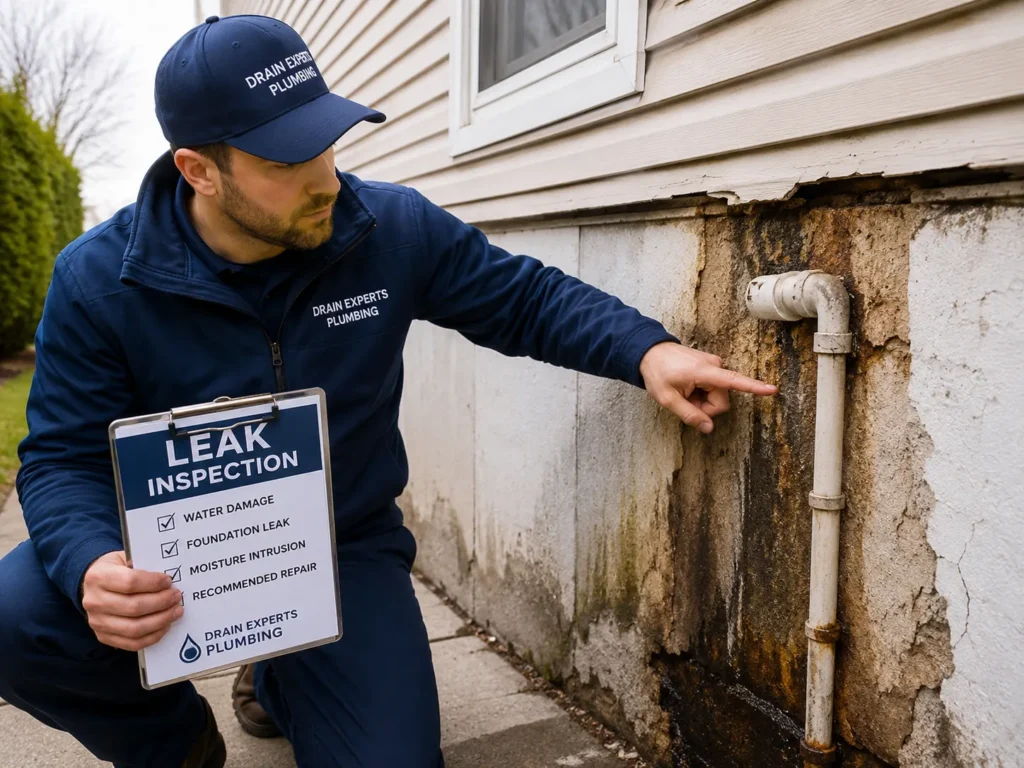
Plumbing problems rarely show up out of nowhere. Most start small: a faint drip, a slow drain, a faint sewer smell you convince yourself you imagined. By the time a pipe bursts or a basement floods, the warning signs have usually been there for weeks, sometimes months.
Brampton’s mix of older subdivisions, newer builds, cold winters, and heavy spring rainfall puts extra strain on home plumbing systems. Freeze-thaw cycles shift soil around underground pipes, older cast iron and clay lines are more prone to blockages, and sump pumps get tested every time a storm rolls through.
This guide walks through 15 Plumbing Warning Signs no homeowner, landlord, or property manager should brush off, why each one matters, and what to do about it. If you’re searching for a reliable Plumber in Brampton, understanding these signs first will help you catch problems early before they turn into costly repairs.
Why Recognizing Plumbing Warning Signs Early Can Save You Thousands
A slow drain feels like a minor annoyance. A running toilet feels like background noise. But left alone, small issues compound quickly.
Catching problems early means smaller repairs, less water waste, and far less risk to your home’s foundation, drywall, and flooring. Water damage doesn’t stay contained; it soaks into subfloors, feeds mold growth behind walls, and can compromise structural framing over time. It also drives up utility bills in ways that are easy to miss until the statement arrives.
Emergency plumbing calls are almost always more expensive and more stressful than scheduled repairs. A pinhole leak found on a Tuesday afternoon is a simple fix. The same leak ignored for three months can mean torn-out drywall, mold remediation, and a much bigger invoice.
15 Plumbing Warning Signs Every Brampton Homeowner Should Watch For
1. Slow Drains Throughout the Home
If more than one sink or tub drains slowly, it’s rarely a coincidence. Multiple slow drains often point to a partial blockage further down the main line rather than a single clogged fixture. Common causes include grease buildup, hair, or root intrusion in older clay lines. A single slow drain can often wait for a cleaning; multiple slow drains at once should prompt a call for drain cleaning before a full backup happens.
2. Low Water Pressure
Weak flow from your shower or kitchen faucet usually means mineral buildup, a hidden leak, or a failing pressure regulator. Brampton’s hard water accelerates scale buildup inside older pipes. If pressure drops suddenly rather than gradually, treat it as urgent; a sudden change often signals a leak somewhere in the system, not just aging fixtures.
3. Unexpected Increase in Water Bills
A bill that climbs with no change in household habits is one of the clearest signs of a hidden leak. Toilets, irrigation lines, and underground pipes are common culprits. Compare your last few bills and check your water meter when no fixtures are running; if it’s still moving, water is escaping somewhere, and leak detection can pinpoint exactly where.
4. Water Stains on Ceilings or Walls
Yellow-brown rings or bubbling paint almost always mean water is getting somewhere it shouldn’t. This can come from a leaking pipe, a failing supply line to an upstairs bathroom, or roof-related moisture. Don’t just repaint over it; the source needs to be found and fixed, or the stain will return within a season.
5. A Constantly Running Toilet
That faint hissing sound after a flush is usually a worn flapper valve or fill valve. It seems harmless, but a running toilet can waste hundreds of litres of water a day. It’s an easy DIY fix in many cases, though persistent running after a part replacement usually means it’s time to call a professional.
6. Gurgling Sounds from Drains
Gurgling when you run water in another fixture, say, your washing machine draining while the toilet bubbles, points to a venting or blockage issue in your drain system. Air is getting trapped and pushed back through the pipes. This is worth addressing before it develops into a full clog or sewer backup.
7. Persistent Sewer Odours
A sewer smell indoors usually means a dry P-trap, a cracked vent pipe, or a problem with your sewer line itself. It’s not just unpleasant; sewer gas can pose a health risk. If running water in unused fixtures doesn’t resolve the smell, it’s time for a professional inspection of your sewer line.
8. Rust-Coloured or Cloudy Water
Discoloured water often points to corroding galvanized pipes or sediment buildup in your water heater tank. Cloudy water that clears after a minute is usually just trapped air, harmless. Rust-coloured water that persists, especially from hot taps, suggests internal pipe corrosion that should be inspected before it worsens.
9. Dripping Faucets
A slow drip might seem trivial, but it adds up both in wasted water and in wear on the fixture’s internal components. Dripping is usually caused by a worn washer, O-ring, or cartridge. It’s a small repair now, but a delayed fix can lead to fixture damage or water pooling under the sink.
10. Banging or Knocking Pipes
Loud bangs when you shut off a tap, known as water hammer, happen when air chambers fail or water pressure is too high. Over time, this vibration can loosen pipe joints and stress connections. If it happens consistently throughout the house, it’s worth having your pressure and pipe fittings checked.
11. Water Heater Making Unusual Noises
Popping, rumbling, or crackling from your water heater usually means sediment has built up at the bottom of the tank. This buildup makes the unit work harder, raises energy costs, and shortens its lifespan. Homeowners often call for water heater repair once they notice reduced hot water along with the noise.
12. Damp Basement Walls or Standing Water
Any dampness, efflorescence (white mineral residue), or standing water in the basement deserves immediate attention. This can stem from foundation cracks, poor grading, a failing sump pump, or groundwater pressure all common concerns during Brampton’s spring thaw and heavy rain events. Addressing it early is far cheaper than basement flooding cleanup later.
13. Mold or Mildew Near Plumbing Fixtures
Mold around a sink cabinet, behind a toilet, or near a water heater almost always means moisture is present, even if you can’t see standing water. Mold thrives in damp, low-airflow spaces. Beyond the plumbing issue itself, this can affect indoor air quality, so it shouldn’t be treated as just a cleaning problem.
14. Wet Patches in the Yard
A soggy, unusually green patch of lawn, especially in colder months when the rest of the yard is dry or frozen, often points to a leaking underground line running from the house to the street. This is a classic sign of a pipe repair or sewer line issue that needs professional locating equipment to diagnose properly.
15. Frequent Drain Clogs
If you’re reaching for a plunger every few weeks, something structural is going on, whether it’s a buildup of grease and debris, a venting problem, or root intrusion in an older line. Repeated clogs in the same drain are the plumbing system’s way of telling you a deeper cleaning or camera inspection is overdue.
Why These Plumbing Problems Are Common in Brampton Homes
Brampton’s climate and housing mix create specific Plumbing Warning Signs. Winters bring long stretches below freezing, and pipes running through unheated garages, crawlspaces, or exterior walls are at real risk of freezing and bursting if not properly insulated.
Spring and summer bring heavy rainfall, which puts pressure on sump pumps and foundation drainage systems, particularly in neighbourhoods with older weeping tile or aging municipal storm infrastructure. Basements in low-lying areas are especially vulnerable during intense storms.
Many Brampton homes, particularly in established neighbourhoods, still have original plumbing from decades ago: galvanized supply lines, cast iron drains, or clay sewer laterals. These materials corrode, scale up, and become vulnerable to root intrusion from mature trees over time.
Hard water across the region also accelerates mineral buildup inside pipes, fixtures, and water heaters, gradually reducing pressure and efficiency. Seasonal temperature swings between winter freezes and summer heat cause soil to expand and contract, which can shift underground pipes and create slow leaks at joints.
What Should You Do If You Notice These Warning Signs?
Start by identifying the source. Check visible pipes under sinks, around the water heater, and near the foundation for moisture, corrosion, or unusual sounds. Note when the issue happens constantly, only with certain fixtures, or after specific weather.
Simple maintenance, like replacing a toilet flapper, clearing a sink stopper, or tightening a visible fitting, is generally safe to attempt yourself.
Avoid DIY repairs involving main water shut-off valves, gas water heaters, sewer lines, or anything requiring you to cut into walls or flooring. These carry real risk of making the problem worse or causing injury.
Call a licensed plumber immediately if you notice active leaking, sewer odours indoors, sudden pressure loss, or standing water. Waiting rarely makes these problems smaller.
Simple Plumbing Habits That Help Prevent Expensive Repairs
A few consistent habits go a long way toward avoiding surprise repairs:
- Check for leaks regularly: under sinks, around toilets, and near the water heater every few months.
- Avoid pouring grease down drains: it solidifies and narrows pipes over time, even with hot water flushed after it.
- Monitor water pressure: an inexpensive gauge to catch gradual changes early.
- Flush the water heater: annually to clear sediment buildup and extend its lifespan.
- Test the sump pump: before spring rains by pouring water into the pit and confirming it activates properly.
- Schedule annual plumbing inspections, especially for homes over 20 years old or with known older pipe materials.
Why Brampton Homeowners Choose Drain Experts Plumbing
Homeowners across Brampton turn to Drain Experts Plumbing for straightforward, licensed plumbing work backed by modern diagnostic tools like camera inspections and leak detection equipment. Whether it’s a residential repair or a commercial plumbing need, the goal is the same: find the actual source of the problem, explain it clearly, and fix it right the first time.
Transparent pricing means no surprises on the invoice, and emergency plumbing services are available for the moments that can’t wait until Monday morning. From routine maintenance to urgent repairs, the focus stays on practical solutions that fit Brampton homes.
Frequently Asked Questions
What are the first Plumbing Warning Signs?
Often it’s something subtle: a slower-than-usual drain, a slight drop in water pressure, or a small unexplained increase in your water bill. These early signs are worth investigating before they progress.
Can a slow drain become a serious issue?
Yes. A slow drain usually indicates a partial blockage that will keep narrowing over time. Left unaddressed, it can lead to a complete clog or, in worse cases, a sewer backup into your home.
How do I know if I have a hidden water leak?
Check your water meter when no fixtures are in use. If it’s still running, water is escaping somewhere. Unexplained increases in bills and damp spots on walls or floors are also common indicators.
When should I call a plumber?
Call promptly for active leaks, sewer odours, no hot water, sudden pressure changes, or standing water. For minor issues like a single slow drain, scheduling a routine visit is usually sufficient.
Can frozen pipes burst?
Yes. Water expands as it freezes, and that pressure can crack or rupture pipes, especially older or uninsulated ones. Pipes in exterior walls, garages, and crawlspaces are most at risk during Brampton winters.
Why is my water bill suddenly increasing?
The most common cause is a hidden leak, often a running toilet, a small pipe leak, or an underground line issue. Comparing recent bills and checking your meter can help confirm whether a leak is the cause.
How often should plumbing be inspected?
An annual inspection is a reasonable standard for most homes, though older homes or those with a history of plumbing issues may benefit from more frequent checks.
Do you offer emergency plumbing services in Brampton?
Yes, Drain Experts Plumbing provides emergency plumbing services for urgent issues like active leaks, burst pipes, and sewer backups throughout Brampton.
Final Thoughts
Plumbing Warning Signs almost always start small. Slow drains, minor leaks, faint odours, and small pressure changes are your home’s early warning system, and acting on them early is far cheaper and less stressful than waiting for an emergency.
If you’ve noticed any of these 15 warning signs in your Brampton home, don’t wait for the problem to grow. Reach out to Drain Experts Plumbing for an inspection or repair, and keep small issues from turning into expensive ones.