

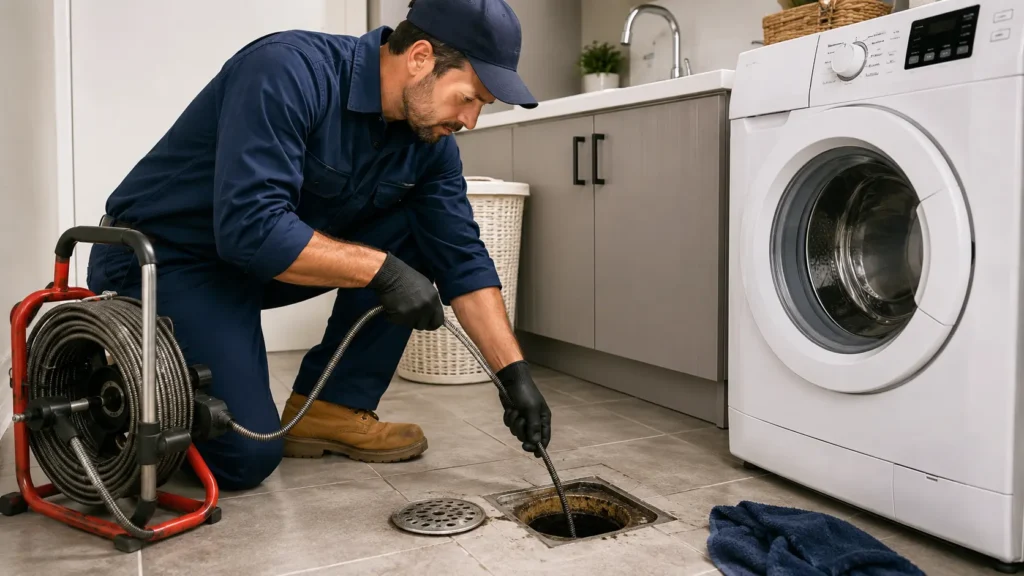
If you’ve ever stood in a slowly filling shower wondering how long you can put off calling a Plumber in Toronto, you’re not alone. Toronto homes, from century-old semis in the Annex to newer condo towers downtown, all share one thing in common: pipes that clog over time. The good news is your drains usually give you plenty of warning before a small nuisance turns into a real problem.
This guide walks through the most common warning signs that point to a need for drain cleaning in Toronto, why they happen, and when it’s time to stop reaching for a plunger and call in a professional. Whether you own a detached home, manage a rental property, or run a small business, catching these signs early can save you from a much bigger repair bill down the road.
Why Drain Problems Are Common in Toronto Homes
Toronto’s mix of old and new housing stock creates a unique set of drainage challenges. Homes built before the 1960s often still have their original cast iron or clay pipes, which corrode, crack, and narrow with age. Add decades of mineral buildup, and even a well-maintained older home can develop chronic drainage trouble.
Mature trees are another factor. Neighbourhoods with established tree canopies, common across much of the city, mean root systems are often searching for moisture, and an aging sewer line with even a hairline crack is an easy target. Once roots get inside a pipe, they grow into a dense mass that traps debris and eventually blocks the line completely.
Everyday habits contribute too. Grease poured down kitchen sinks hardens as it cools and narrows the pipe from the inside. Hair and soap residue build up in bathroom drains. Freeze-thaw cycles each winter can stress older pipe joints, and heavy spring rain can overwhelm municipal sewer systems, sometimes pushing water back into home drains. Add it all up, and it’s clear why clogged drains in Toronto are such a routine call for local plumbers.
Toronto homeowners can also take preventive steps to reduce drainage and flooding risks by following the City of Toronto’s basement flooding prevention recommendations, which include maintaining drainage systems, protecting foundations, and keeping water away from the home.
12 Signs You Need Professional Drain Cleaning in Toronto
1. Water Drains Slowly
A sink, tub, or shower that takes noticeably longer to empty is usually the first sign of a partial blockage. This happens when hair, soap scum, grease, or debris gradually narrows the inside of the pipe.
Ignoring a slow drain rarely makes it better. The blockage typically builds until the drain stops working altogether, often at the least convenient moment. If plunging or a drain stick brings only short-term relief, it’s a sign the clog is further down the line than you can reach yourself, and a professional drain inspection in Toronto can locate exactly where it sits.
Homeowner tip: Run hot water down the drain once a week to help slow the buildup of grease and soap residue.
2. Recurring Clogs
A single clog is annoying. A drain that clogs again and again, even after you clear it, points to a deeper issue than surface debris. Recurring blockages usually mean there’s a buildup problem, a partial pipe collapse, or root intrusion somewhere in the line that a plunger simply can’t reach.
Left alone, repeated clogs put extra strain on your plumbing and increase the risk of a pipe eventually backing up or bursting. A camera drain inspection can pinpoint the exact cause so it gets fixed once instead of managed every few weeks.
Homeowner tip: Keep a simple log of when clogs happen and in which fixtures. It helps a plumber diagnose the pattern faster.
3. Bad Smells From Drains
A sewer-like or rotten odour coming from a drain usually means organic material, food waste, or grease is decomposing inside the pipe. It can also signal a dry P-trap, which normally holds water to block sewer gas from entering your home.
Beyond the unpleasant smell, sewer gas can pose a health concern in enclosed spaces. If running water doesn’t solve the odour, or if it returns within a day or two, the buildup is likely too far down the pipe to clear on your own.
Homeowner tip: If a drain is rarely used, like a basement floor drain, pour a cup of water down it monthly to keep the trap seal from drying out.
4. Gurgling Sounds in Pipes
A gurgling noise when you run water or flush the toilet means air is trapped in the pipes, usually because something is restricting normal flow. As water tries to pass the blockage, it pushes air back through the system, creating that bubbling sound.
This is often an early warning sign that a clog is forming before you notice any actual slowdown. Left unaddressed, the blockage typically gets worse until it causes a backup. If gurgling happens in more than one fixture, it may point to an issue in the main line rather than a single drain.
Homeowner tip: Note which fixture gurgles and when. If it happens when you flush the toilet or run the washing machine, mention this detail to your plumber.
5. Water Backing Up Into Sinks or Tubs
If water rises in one fixture when you run another, for example, your bathtub fills when you flush the toilet, that’s a clear sign of a blockage in a shared drain line. This cross-fixture backup means multiple fixtures are connected downstream of the clog.
This is one of the more urgent signs on this list. It usually means the blockage has moved past a simple surface clog and is affecting the branch or main line. Waiting too long increases the risk of sewage backing up into your home.
Homeowner tip: Avoid running multiple fixtures at once until a plumber has assessed the issue, since this can force the backup further into your home.
6. Multiple Slow Drains
One slow drain is a localized problem. Several slow drains throughout the house at the same time usually point to a blockage in the main sewer line, since all your fixtures ultimately connect to it.
This is a common and important distinction: a single clogged sink is a minor fix, but a main sewer line blockage affects your entire home’s plumbing and needs professional equipment like a drain snake or hydro jet to clear properly.
Homeowner tip: If more than one drain is slow at the same time, hold off on DIY chemical cleaners and call a plumber, since the fix likely requires equipment you won’t have at home.
7. Overflowing Floor Drains
Basement floor drains are designed to handle excess water, so when they start overflowing or backing up, it’s a strong signal that the main line is blocked or the sewer system is overwhelmed. This is especially common in Toronto during heavy rainfall.
An overflowing floor drain can lead to water damage, mould growth, and costly cleanup if it isn’t addressed quickly. This situation often calls for emergency drain cleaning rather than a scheduled appointment.
Homeowner tip: Keep the area around basement floor drains clear of storage boxes so you notice a problem quickly and can access the drain if a plumber needs to.
8. Fruit Flies Around Drains
Small flies gathering around a kitchen or bathroom drain are often feeding on organic buildup, like grease, food particles, or soap scum, that has accumulated inside the pipe. Their presence is a clue that there’s more debris in the line than you might think.
While not an emergency on its own, ignoring it allows the buildup to keep growing until it causes a slow drain or clog. A thorough cleaning removes the food source and solves the fly problem at the same time.
Homeowner tip: Try a mixture of baking soda and vinegar followed by hot water as a first step; if the flies return within a week, the buildup is likely too deep for a home remedy.
9. Standing Water Near Drains
Puddles that form near a drain and don’t disappear, whether in a basement, laundry room, or utility area, usually mean the water has nowhere to go because of a blockage further down the pipe.
Standing water left unaddressed creates a risk of mould, unpleasant odours, and damage to flooring or nearby walls. It’s also a sign that a clog is significant enough that home remedies likely won’t clear it.
Homeowner tip: Take a photo of where and how large the standing water is. This helps a plumber understand the severity before they even arrive.
10. Bubbling Toilets
If your toilet bubbles or gurgles when you run the sink, shower, or washing machine, it usually means there’s a blockage in the shared drain line, and air is being pushed back up through the toilet’s water seal.
This is often one of the clearer indicators of a main line issue rather than an isolated fixture problem. Bubbling toilets that occur repeatedly shouldn’t be ignored, since they often precede a full backup.
Homeowner tip: Avoid flushing anything other than toilet paper and waste, since extra debris adds pressure to an already struggling line.
11. Water Pooling Outside Near Sewer Lines
If you notice soggy patches, unusual green patches of grass, or pooling water in your yard near where your sewer line runs, it may indicate a crack or blockage in the underground pipe leaking wastewater into the soil.
This is a sign that shouldn’t be delayed. Underground leaks can undermine your foundation over time and are a common outcome of long-term tree root intrusion in Toronto’s older neighbourhoods.
Homeowner tip: Note the general location of the pooling relative to your home; it can help a plumber narrow down where to run a camera inspection.
12. DIY Drain Cleaners No Longer Work
If store-bought chemical cleaners or a plunger used to work but no longer make a difference, the blockage has likely grown beyond what surface-level treatments can handle. Chemical cleaners are only effective on minor, accessible clogs, and repeated use can actually damage older pipes.
At this point, continuing to pour chemicals down the drain rarely solves the underlying issue and can make it harder for a plumber to inspect the pipe safely. This is a clear signal that it’s time for professional drain cleaning services in Toronto.
Homeowner tip: Stop using chemical drain cleaners once you notice they aren’t working, and switch to mechanical methods like a hand auger, or call a plumber before the clog worsens.
What Happens During Professional Drain Cleaning?
Professional drain cleaning typically starts with a camera inspection, where a plumber feeds a waterproof camera through the pipe to see exactly what’s happening inside. This step identifies whether the problem is grease buildup, tree roots, a collapsed section of pipe, or something else entirely.
Once the blockage is located, the plumber chooses the right method to clear it. Drain snaking uses a flexible cable to break up and remove clogs in smaller residential lines. For tougher blockages or grease-heavy buildup, hydro jet drain cleaning uses high-pressure water to scour the inside of the pipe clean, which is often more thorough than snaking alone.
If tree roots are the culprit, specialized cutting attachments can clear the roots from inside the pipe. After the blockage is removed, most plumbers run water through the system to confirm it’s flowing properly, then offer recommendations for preventing the same issue from returning, such as adjusting maintenance habits or scheduling periodic inspections.
How to Prevent Drain Clogs
A little routine maintenance goes a long way toward avoiding the signs above in the first place.
- Dispose of grease properly: Let cooking grease cool and throw it in the garbage rather than pouring it down the sink.
- Use drain strainers: A simple mesh strainer in the kitchen sink and bathtub catches food particles and hair before they enter the pipe.
- Avoid flushable wipes: Despite the label, most wipes don’t break down like toilet paper and are a leading cause of clogs.
- Schedule routine drain maintenance: Periodic cleaning keeps buildup from accumulating to the point of a full blockage.
- Book regular inspections: A camera inspection every few years can catch small issues, like early root intrusion, before they become expensive repairs.
- Manage nearby tree roots: If you have large trees near your sewer line, ask a plumber about root barrier options.
- Scrape food waste into the garbage or compost: Even small amounts of food debris add up in kitchen drains over time.
- Address minor issues early: A small repair today is almost always cheaper than an emergency call after a full backup.
When Should You Call a Professional?
Some situations call for a professional right away rather than waiting to see if the problem resolves on its own:
- Clogs that keep coming back despite your best efforts
- Persistent sewer odours throughout the home
- Water backing up into a basement drain
- More than one fixture clogged or draining slowly at the same time
- A floor drain or fixture that overflows
- Any sign of water pooling that could lead to structural or foundation damage
In these cases, waiting typically allows the problem to worsen, and what might have been a routine cleaning can turn into a more involved repair involving pipe damage or water cleanup.
Why Homeowners Choose Drain Experts Plumbing
When Toronto homeowners are dealing with a stubborn or recurring drain issue, working with an experienced local team makes a real difference. Drain Experts Plumbing brings technicians who are familiar with the specific challenges of the city’s plumbing, from older clay pipes in established neighbourhoods to newer condo infrastructure downtown.
Using modern equipment like camera inspection tools and hydro jetting systems, the team can diagnose the actual cause of a blockage rather than guessing, which means the fix addresses the root problem instead of offering temporary relief. Honest recommendations matter too: not every clog needs an expensive repair, and a good plumber will tell you when a simple cleaning is enough.
For situations that can’t wait, having access to a team that responds quickly to both residential and commercial calls gives homeowners and property managers peace of mind. Beyond fixing the immediate issue, an emphasis on preventive maintenance helps reduce the chances of the same problem returning next year.
Frequently Asked Questions
How often should drains be professionally cleaned?
Most homes benefit from a professional drain cleaning every one to two years, though older homes or properties with mature trees nearby may need more frequent attention.
What causes recurring drain clogs?
Recurring clogs are usually caused by an underlying issue further down the pipe, such as grease buildup, tree root intrusion, or a partial pipe collapse, rather than surface-level debris.
Is hydro jetting safe for older pipes?
Hydro jetting is generally safe, but a plumber should first inspect the pipe with a camera to confirm it can handle the water pressure, since severely deteriorated pipes may need a gentler approach.
How do plumbers inspect blocked drains?
Plumbers typically use a waterproof camera attached to a flexible cable to see inside the pipe in real time, which helps identify the exact location and cause of a blockage.
Can tree roots block my sewer line?
Yes. Tree roots are drawn to the moisture inside sewer pipes and can enter through small cracks or joints, growing into dense masses that trap debris and block the line.
How long does drain cleaning take?
A standard drain cleaning usually takes one to two hours, though more complex blockages, such as significant root intrusion, may take longer.
Are chemical drain cleaners safe?
Occasional use on minor clogs is generally fine, but frequent use can corrode pipes over time, especially in older homes, and they aren’t effective on deeper blockages.
When should I book a drain inspection?
It’s worth booking an inspection if you notice recurring clogs, slow drains, unusual odours, or if you’re buying an older home and want to understand the condition of the plumbing before moving in.
Conclusion
Drainage problems rarely appear out of nowhere. Slow drains, recurring clogs, odd smells, and gurgling pipes are all early signals that something inside your plumbing needs attention. Catching these signs early, rather than waiting for a full backup, is almost always the more affordable and less stressful path.
If you’ve noticed one or more of these warning signs in your home, scheduling a professional drain cleaning in Toronto sooner rather than later can save you from a much bigger repair down the road. Contact us for a proper inspection to give you a clear picture of what’s happening inside your pipes and what, if anything, needs to be done about it.